
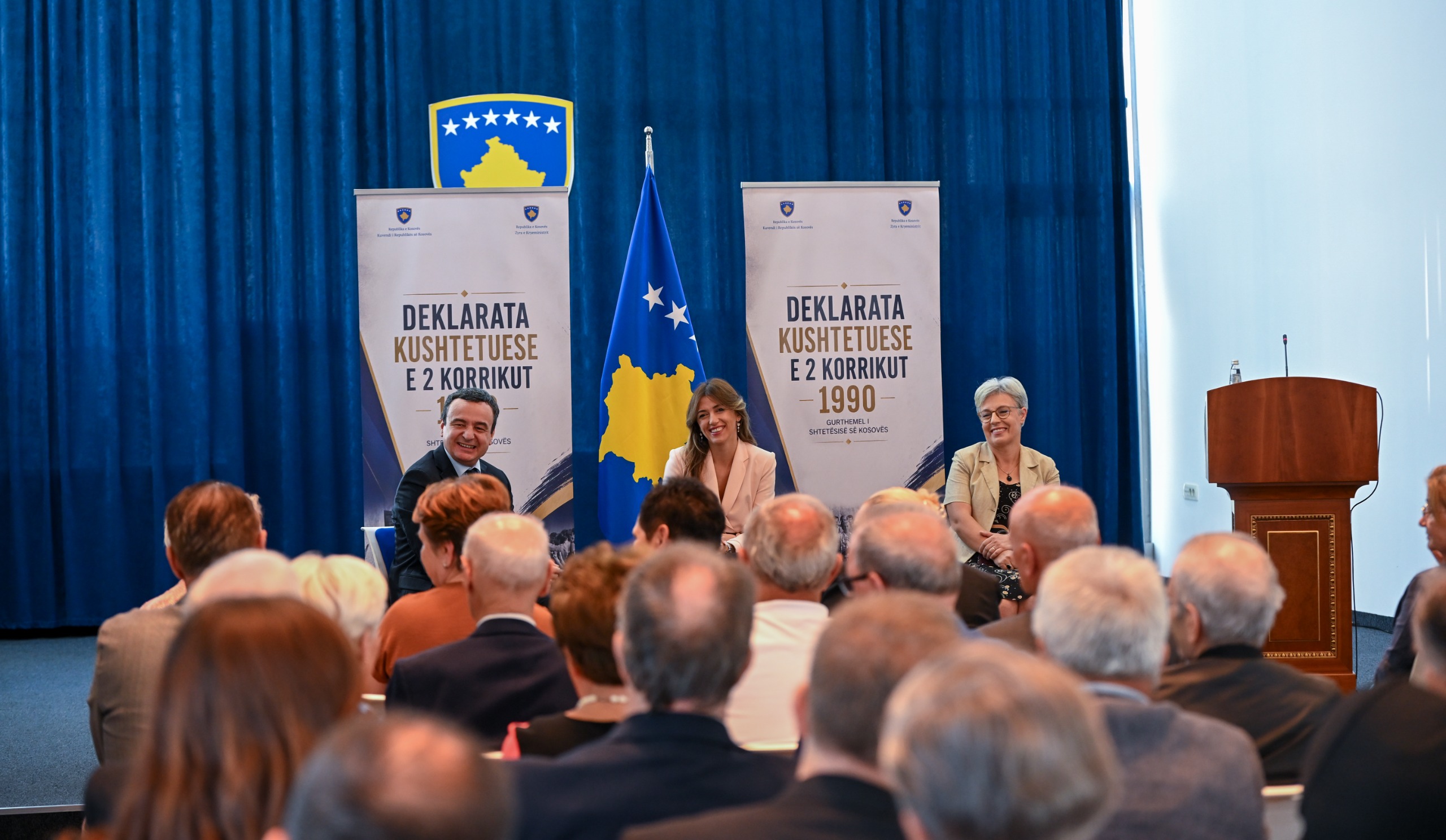
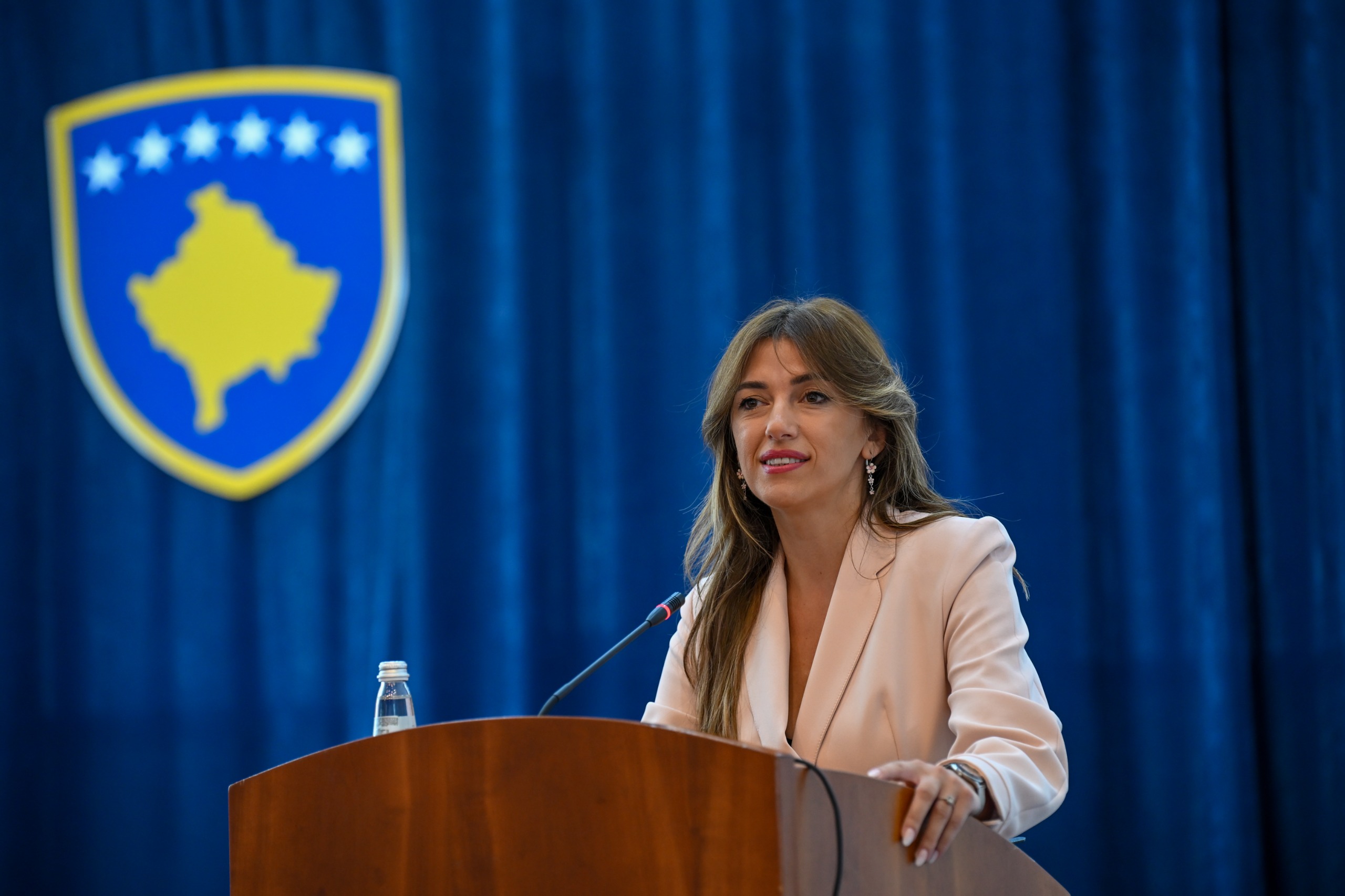
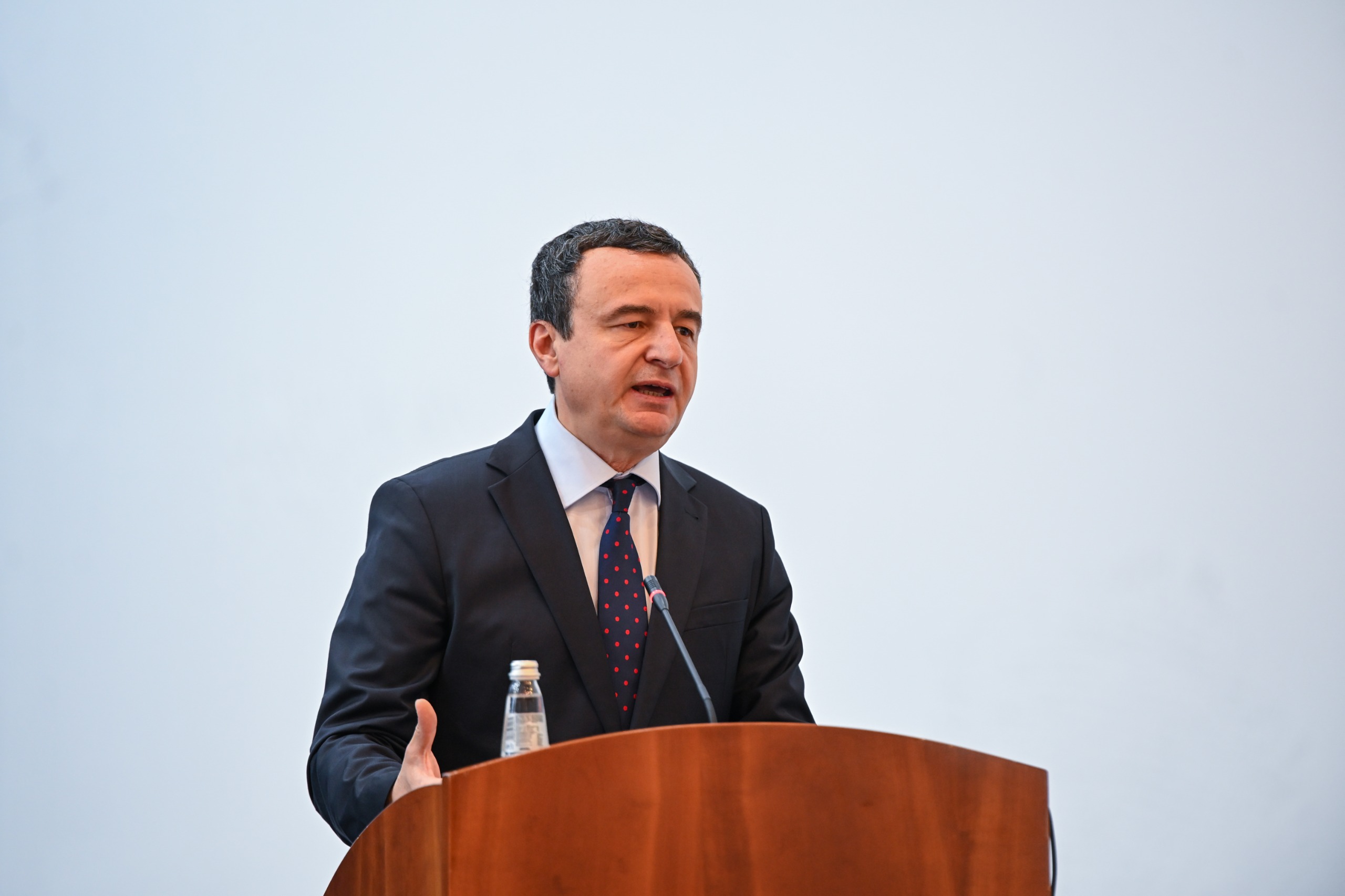
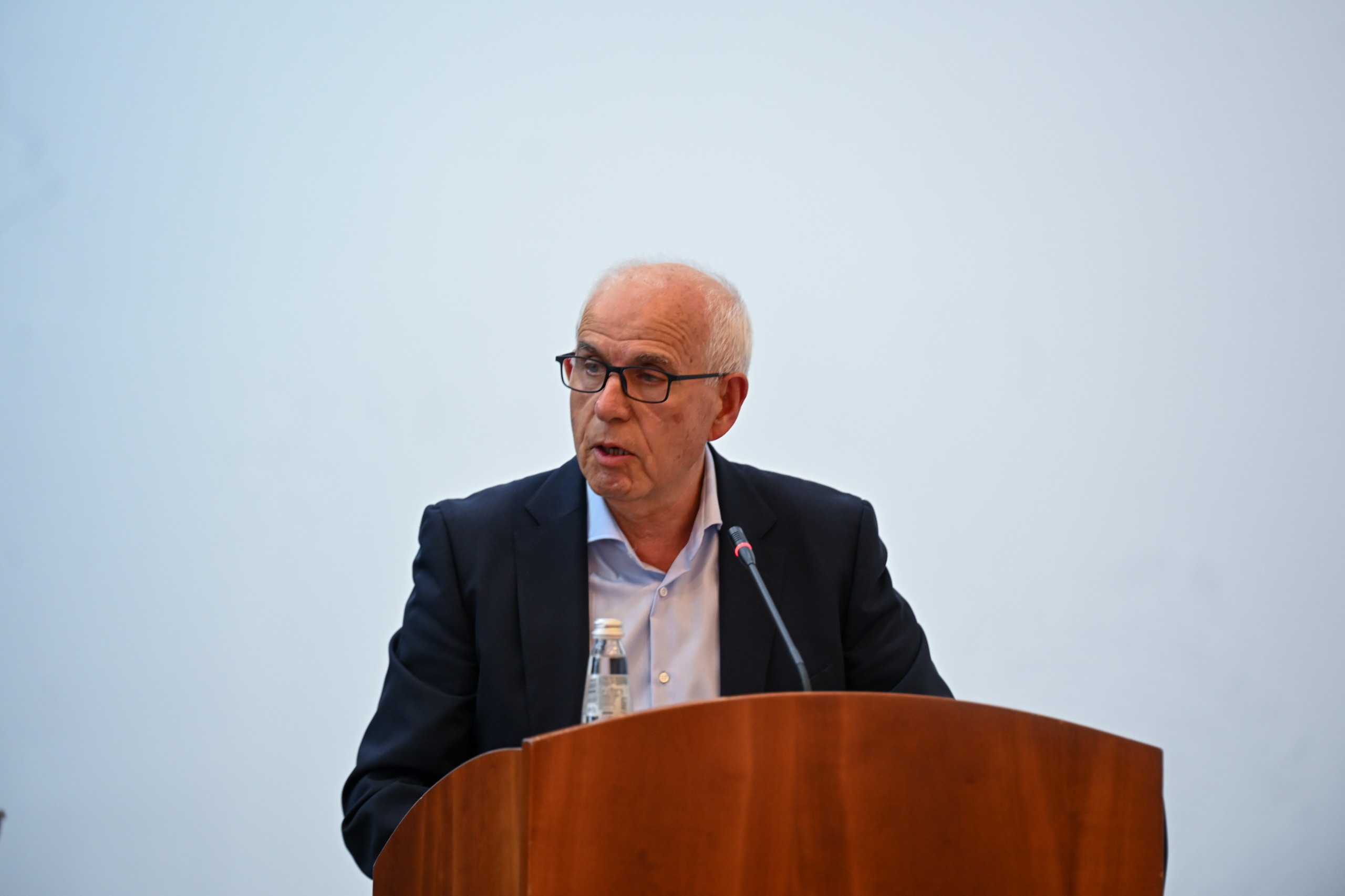
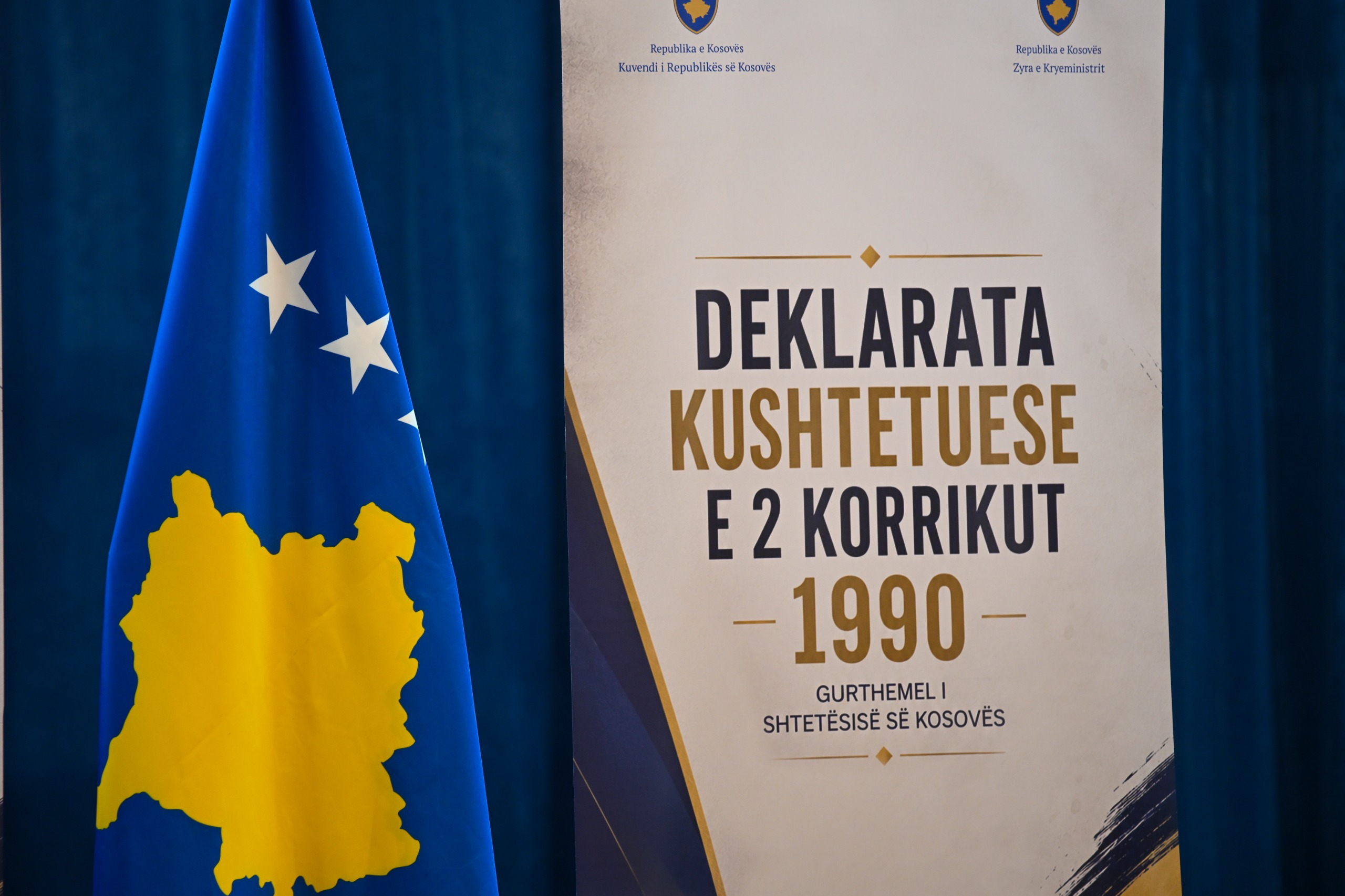
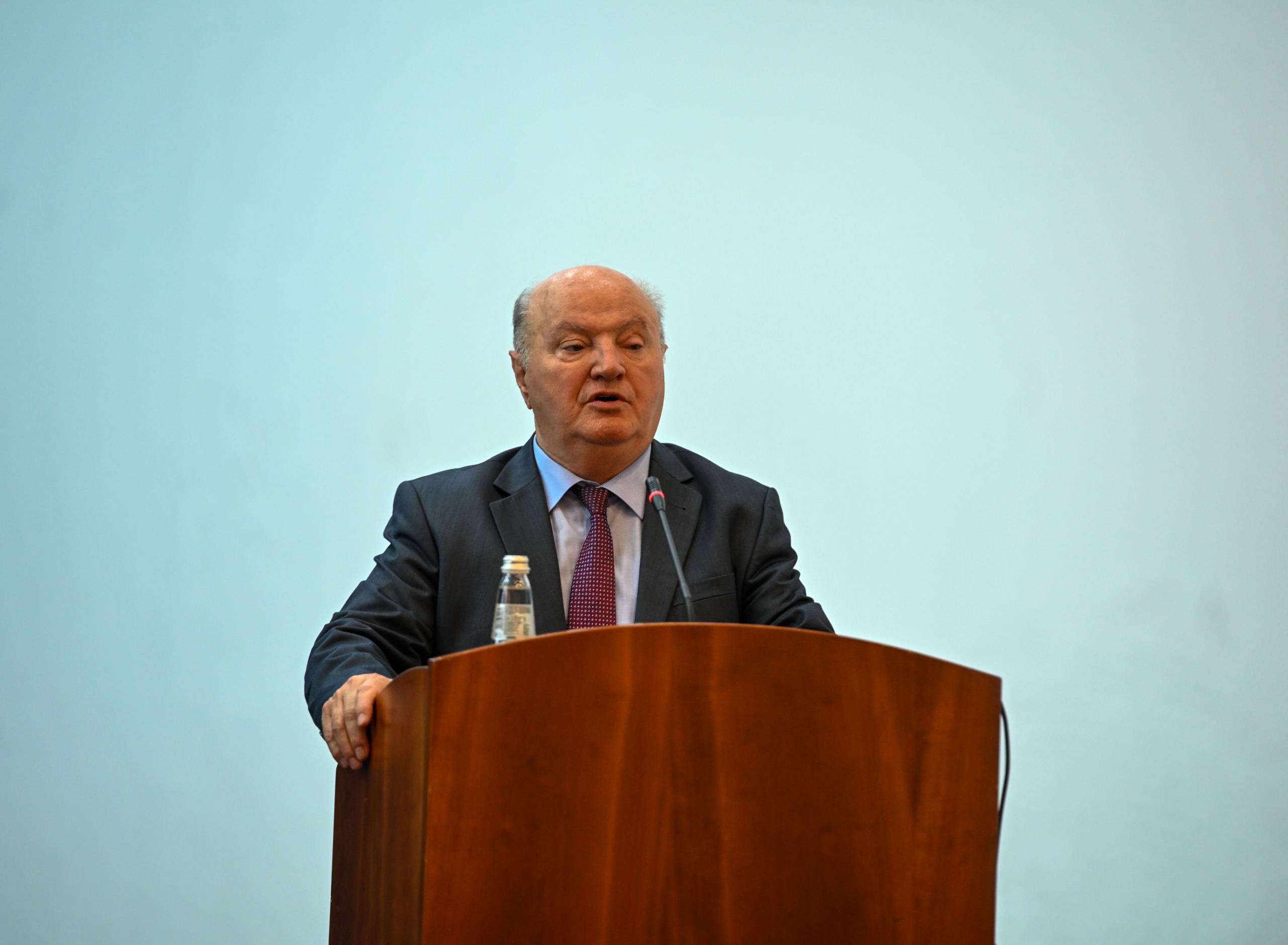
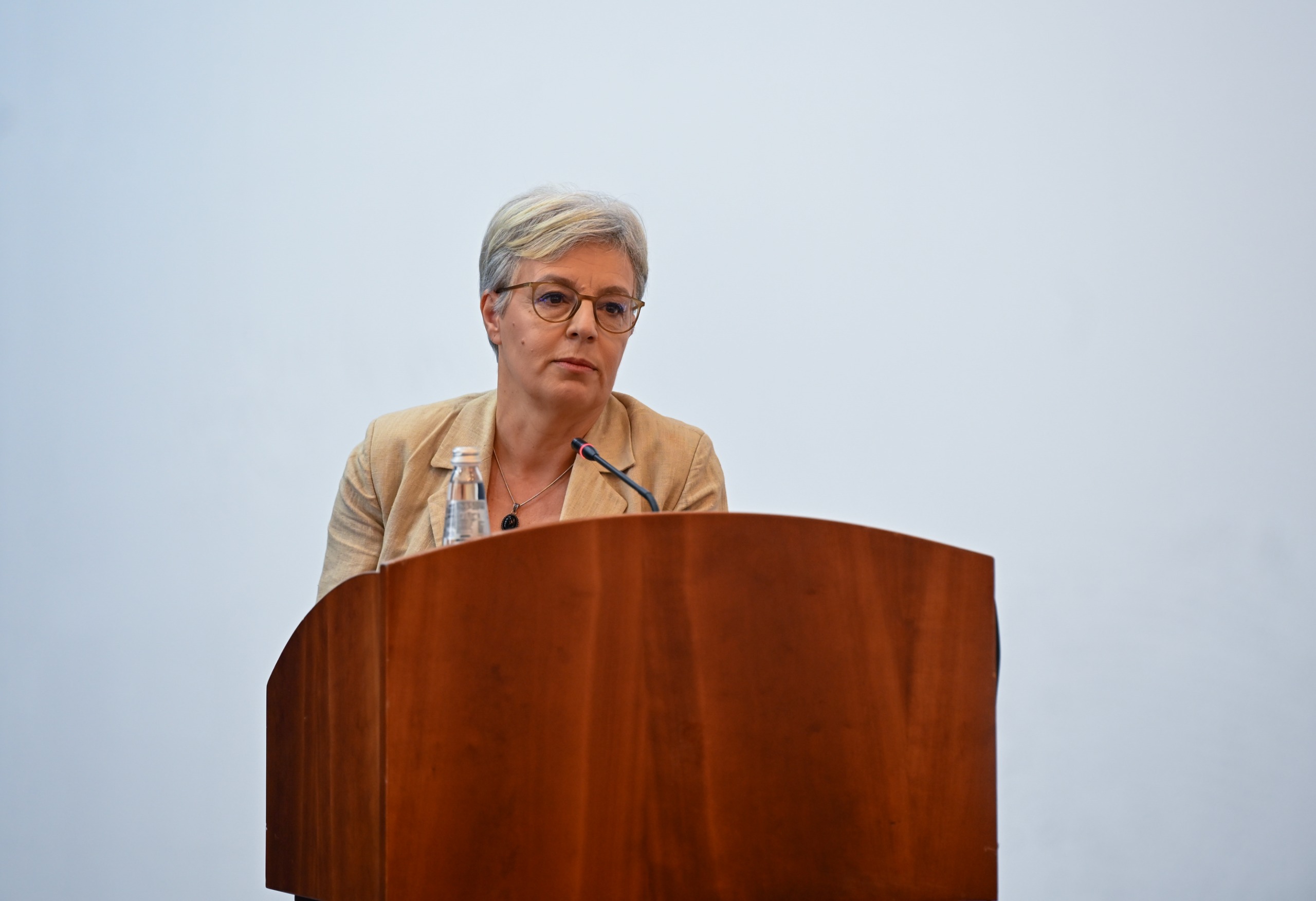
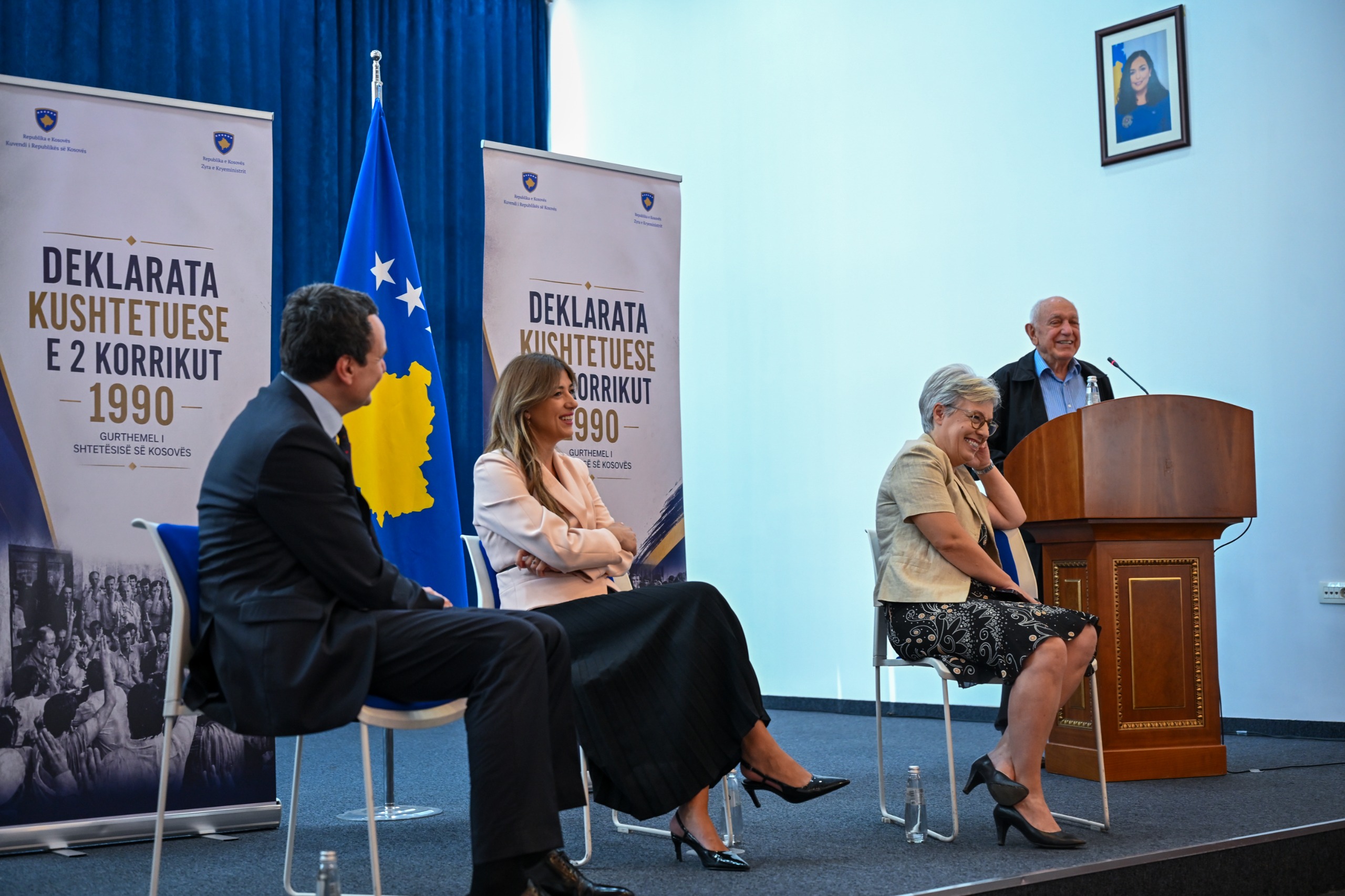
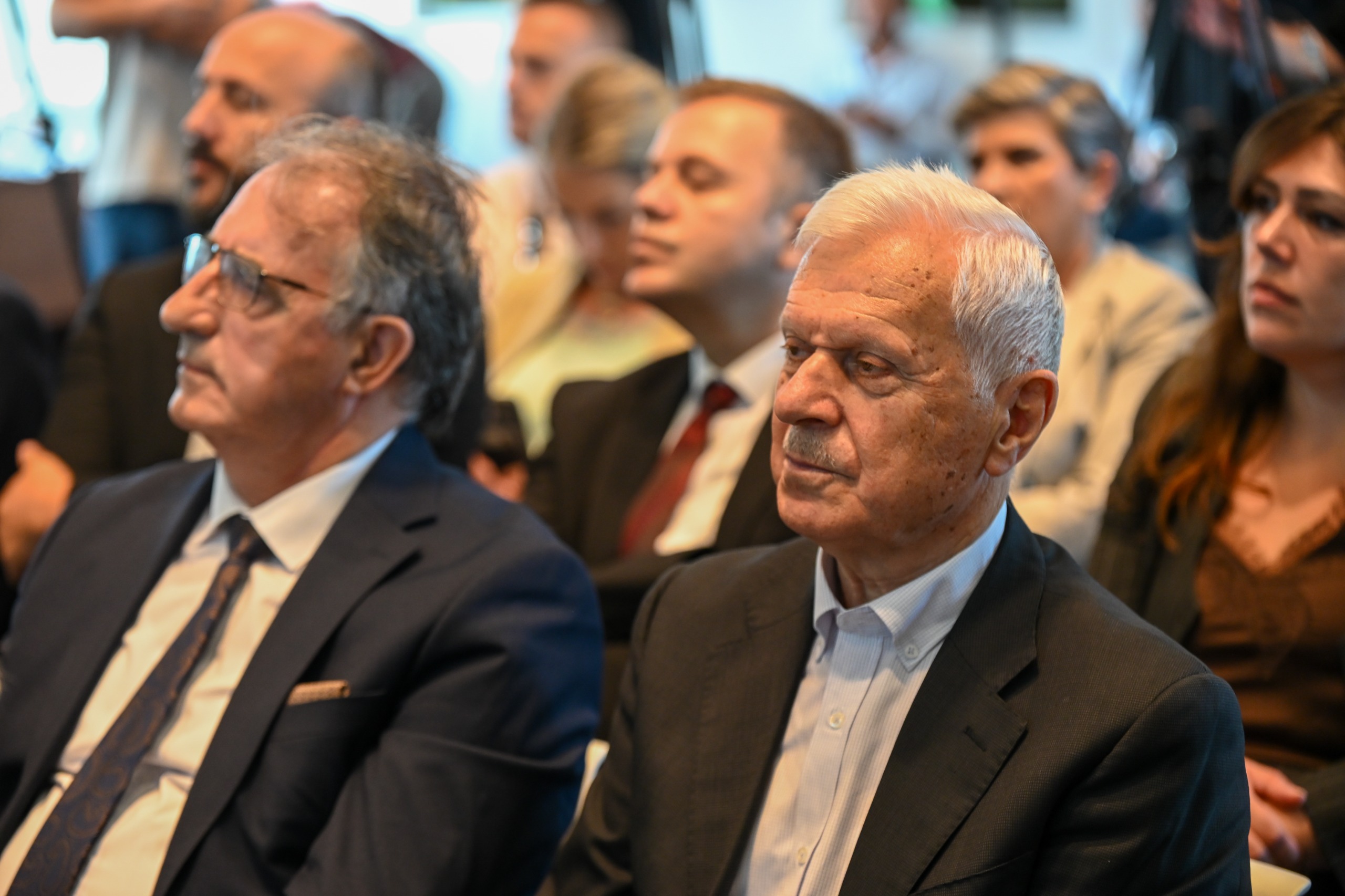
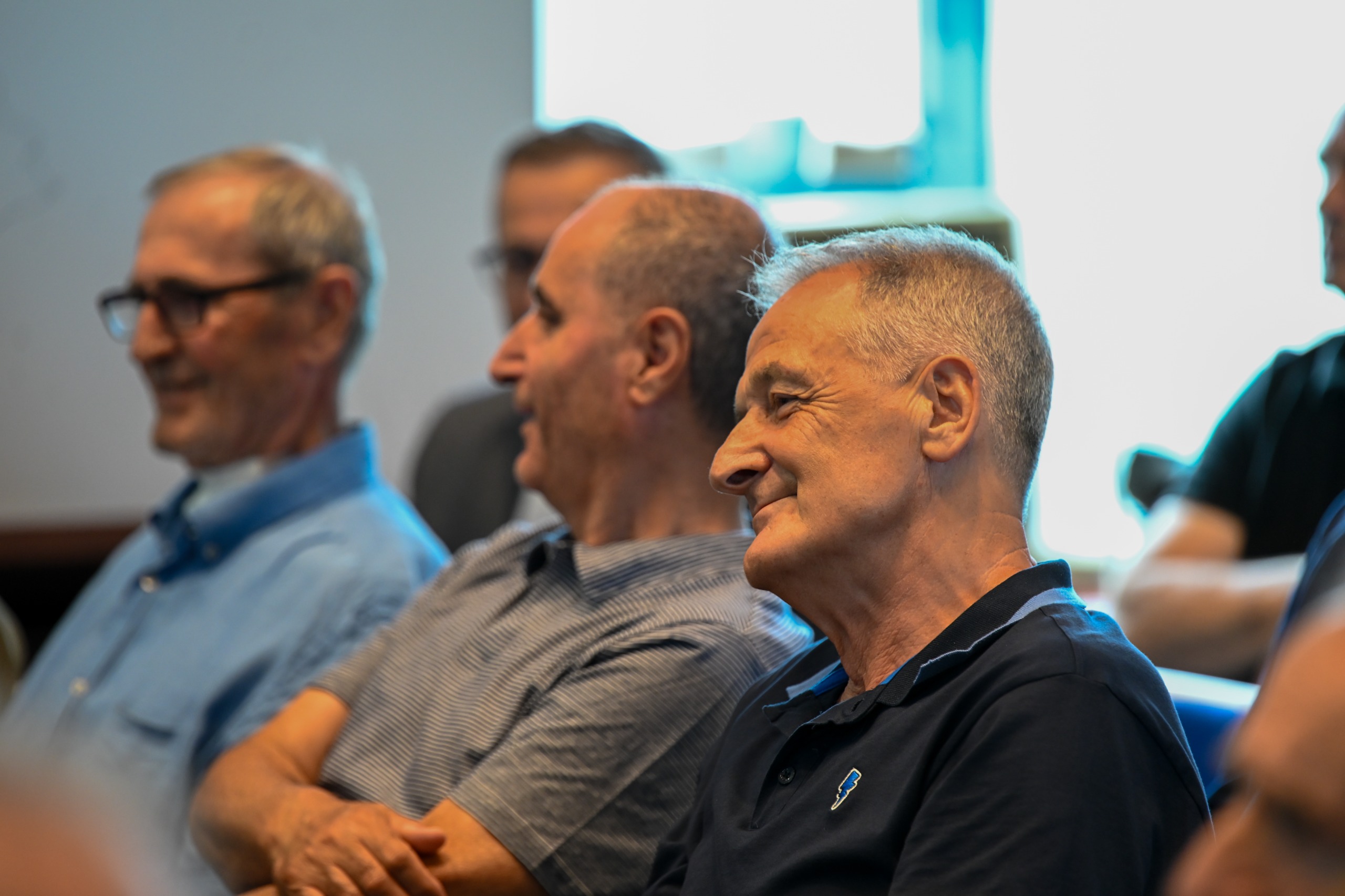
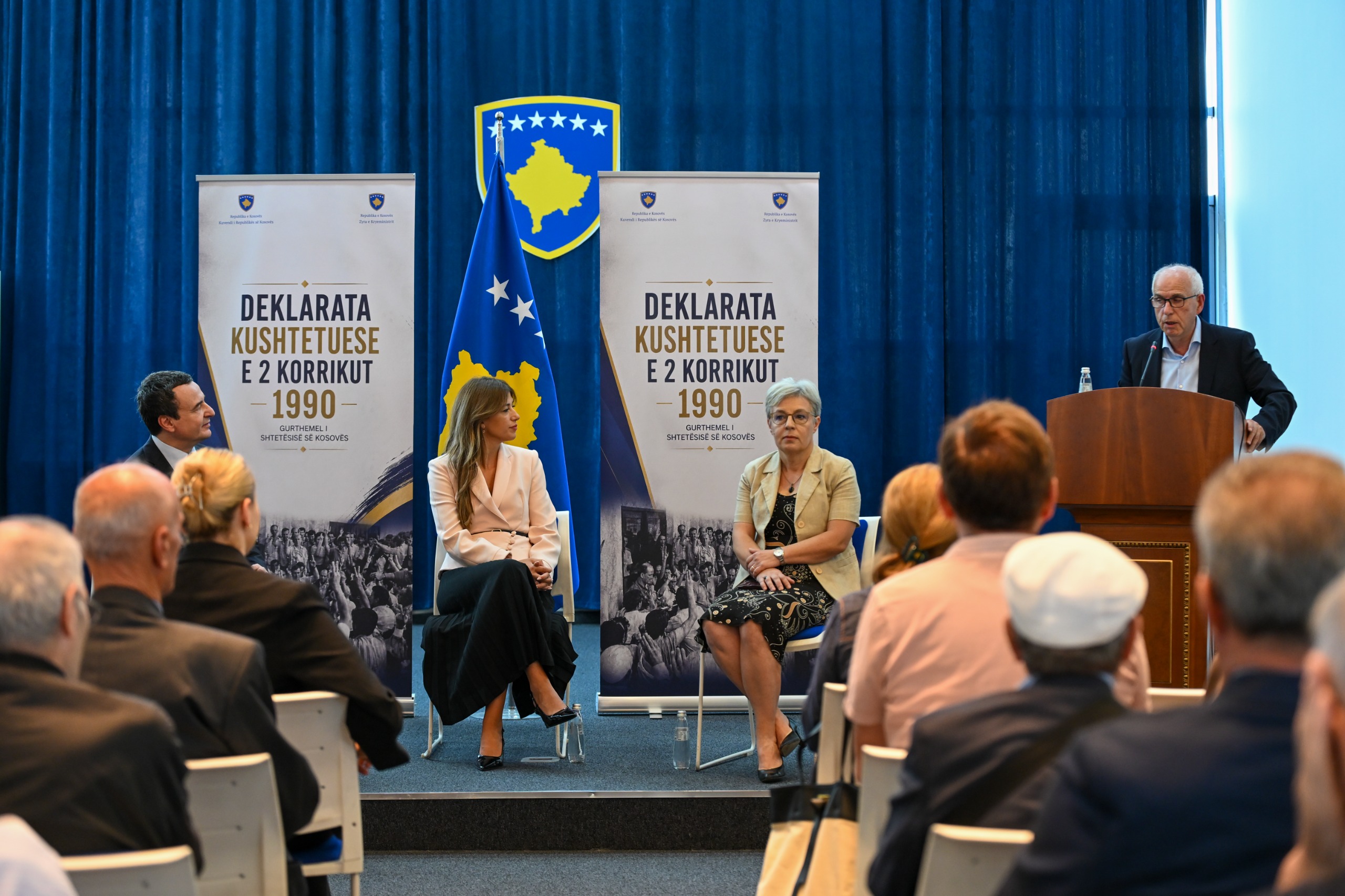
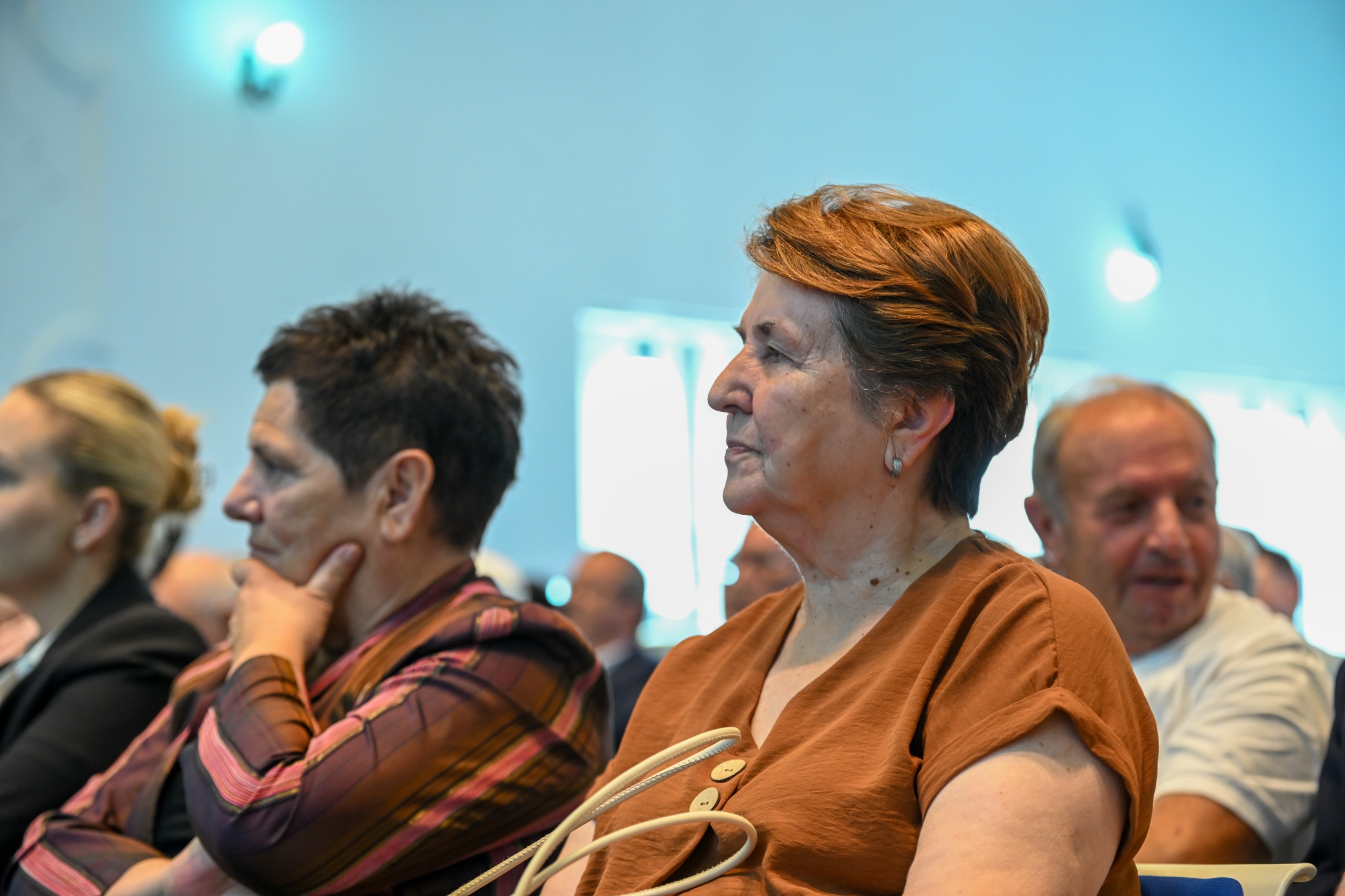
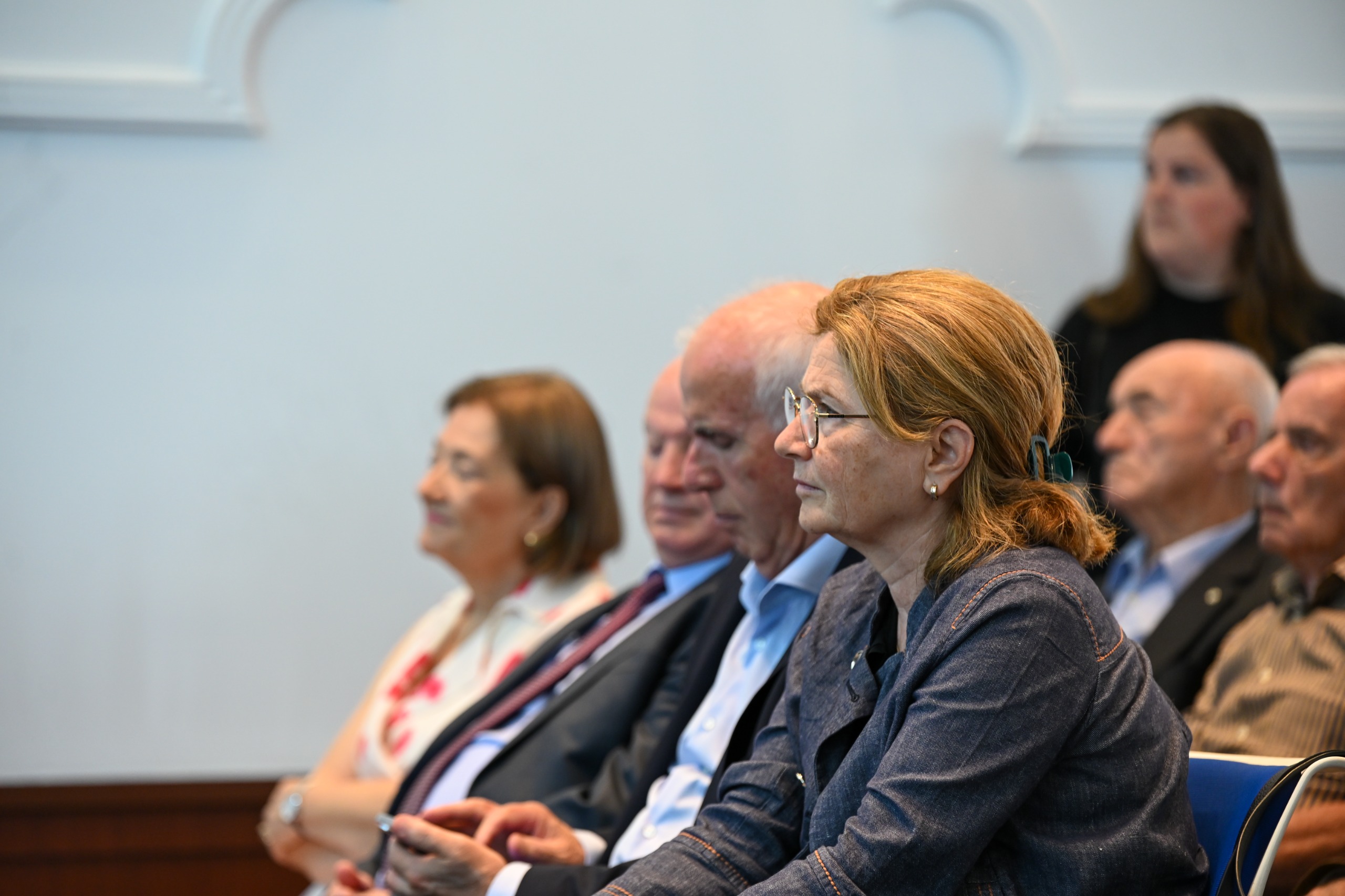

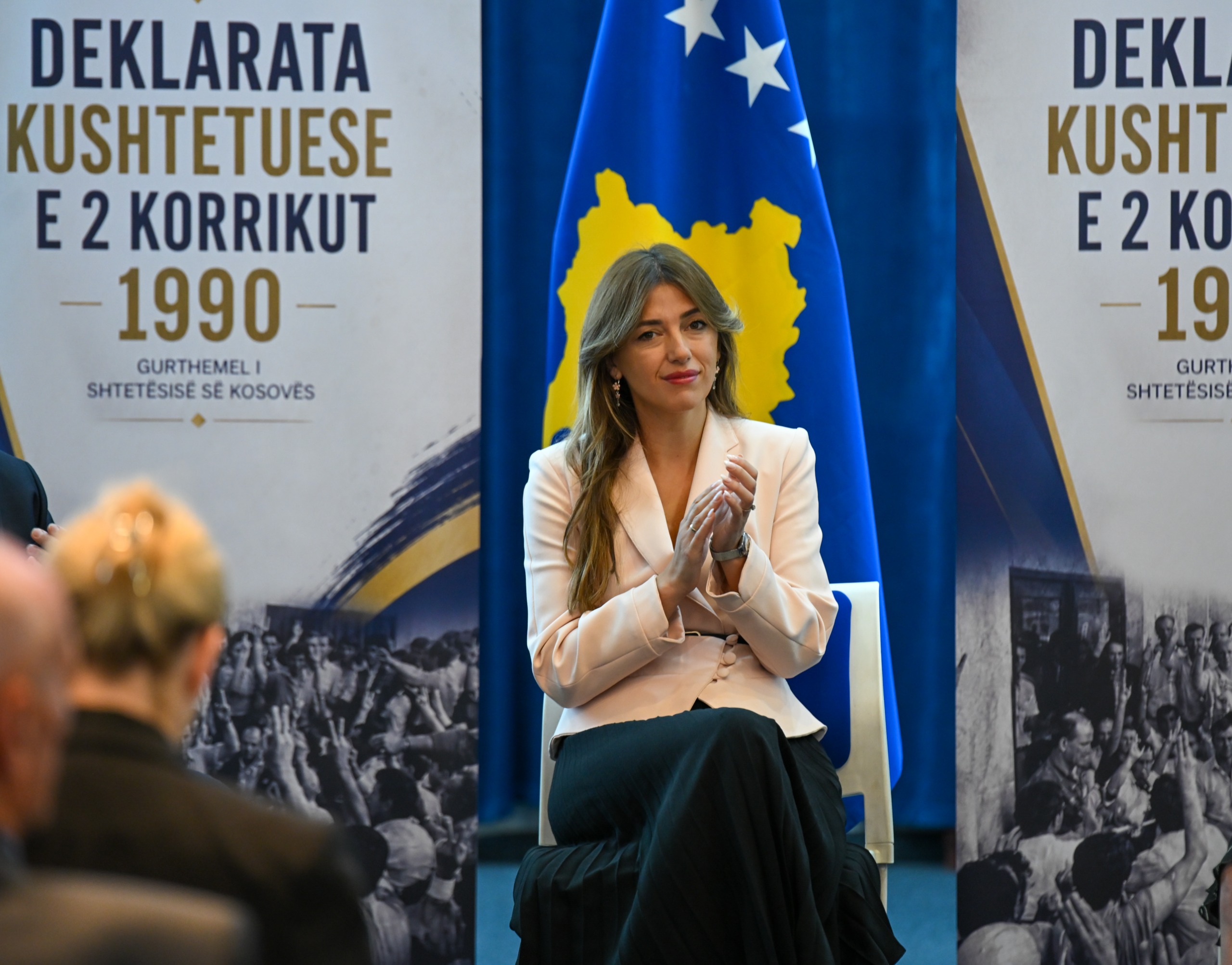
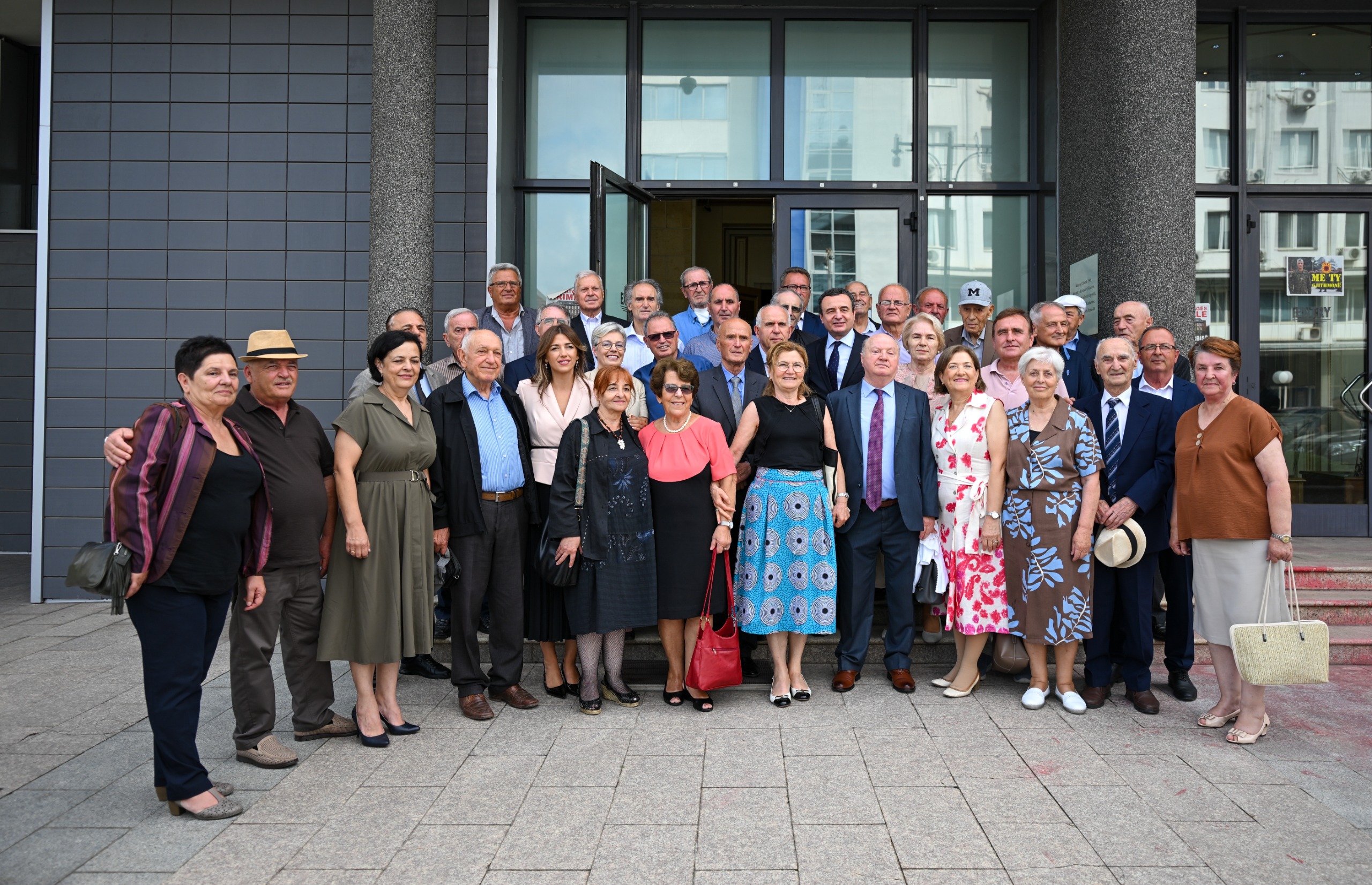
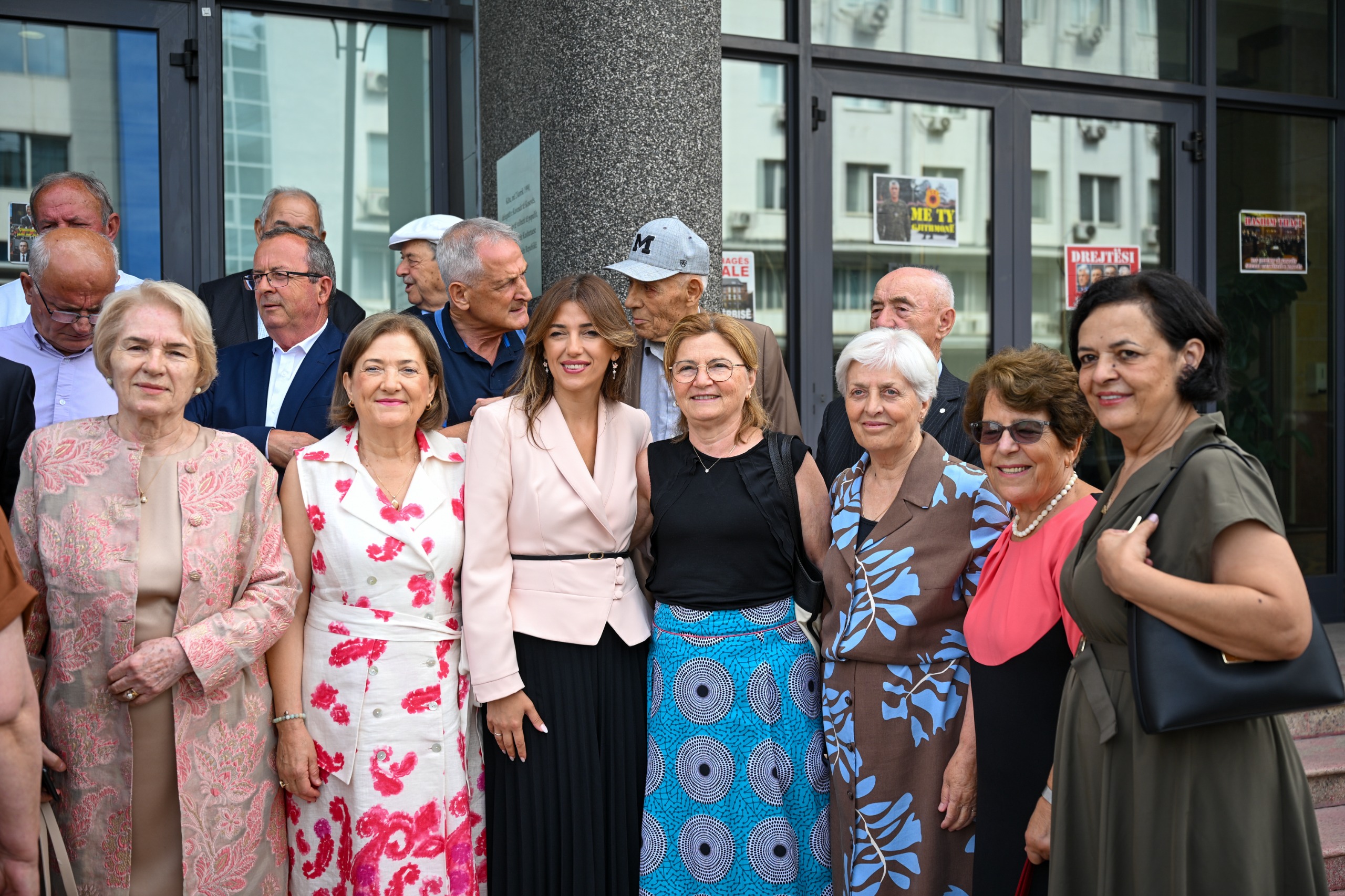
It is good to find each other here in the premises of the Assembly of the Republic of Kosovo 36 years later, under completely different circumstances, but we would not have been able to be here without your determination and resistance more than three decades ago.
Honorable participants,
On July 2nd, 1990, the doors of the Assembly were closed to the delegates of Kosovo. The scene of that day begins with closed doors, with police in front of the Assembly, with delegates outside the hall, and with a government that, after having taken away Kosovo’s autonomy, sought to take away its political voice.
But the mandate comes from the people, and that day the Kosovo delegates demonstrated this by speaking on behalf of Kosovo outside the Assembly hall.
Without that scene, one cannot properly understand July 2nd. The regime thought it had stopped a meeting of the Assembly, but it had left behind a sight that Kosovo would never forget, delegates standing outside the hall but who had entered history.
At that time, Kosovo was facing organized state violence. It was not only seen in the violence exercised by the police at the time, but also in the attack on institutions, schools, work, language and the very right of Kosovo Albanians to decide for themselves. Serbia aimed for more than the governance of Kosovo. It aimed to leave it without a political voice and without the possibility of appearing as an independent subject. The Constitutional Declaration of July 2 was raised against this.
Kosovo at that time had very little space. But there were people who knew how to use even that little space with wisdom and courage. Among them were the delegates who approved the Declaration, the people who drafted and supported it, as well as all those who understood that Kosovo’s politics should speak the language of law, not the language of subjugation.
In this history, a special place belongs to academician Gazmend Zajmi, one of the minds that gave the Declaration legal clarity and constitutional order. The text of July 2nd had five points, and each of them pushed Kosovo out of the position imposed by Serbia. The Declaration defined the act as political self-determination, established Kosovo as an independent and equal unit within the Federation, or rather the Confederation of Yugoslavia, and confirmed it as a political-constitutional community of equal citizens and communities. It rejected Serbia’s 1989 amendments and decided that the Assembly and the political community it represented would be publicly referred to only as Kosovo.
When Muharrem Shabani read the Declaration in front of the Assembly building, Kosovo publicly articulated its political stance. Kosovo refused to be treated as a subordinate province, but demanded to be recognized as an independent and equal entity.
After July 2nd came September 7th, the Kaçanik Constitution, then the referendum for independence and the entire organization of the 1990s. Kosovo tried to keep itself afloat with the institutions it created, with the Albanian school, with the university, with political life and with the citizens who refused to accept as permanent the injustice that had been imposed on them.
The political path of the 1990s took on its full meaning with the Kosovo Liberation Army. The KLA took upon itself the heaviest burden of our new history, the war for the liberation of the country. The sacrifice of the martyrs, the resistance of the fighters, the violence against civilians, the mass expulsion and ethnic cleansing made it clear to the world that Kosovo was not seeking political privilege, but freedom from oppression and organized state violence.
After the liberation war of the KLA and the intervention of our allies, Kosovo entered a new political phase. On February 17th 2008, it declared its Republic as an independent, sovereign and democratic state. That day sealed before the world a demand that had been formulated much earlier, in political decisions, in constitutional acts, in organization, in war and in sacrifice.
For this reason, July 2nd cannot remain on the margins of this history. It is the moment when Kosovo spoke on its own behalf and refused to let Serbia decide for it. With the Constitutional Declaration, the demand for a Republic emerged from the political call and entered the institutional language of Kosovo’s representatives.
Today, the Republic of Kosovo honors the delegates of July 2nd with deep and lasting gratitude.
We honor those who are among us. We remember with respect those who are no longer alive.
Gratitude also belongs to their families, because politics, in such moments, does not only consist of documents. It turns into fear within the home and anxiety for the person who has undertaken to say what the regime seeks to prohibit. The delegates of July 2nd had neither the comfort of a normal session, nor the security that a free state offers. In front of them was a regime that sought to transform violence into constitutional order. This places their act at the political foundation of the Republic.
Today, as we commemorate July 2nd, we must keep the political meaning of that day clear. Kosovo refused to be spoken on its behalf by Serbia. It refused to allow violence to become a constitutional order. It refused to allow the will of the people to be replaced by the police and imposed amendments.
Today’s Republic honors July 2nd by defending its sovereignty in every corner, by keeping its institutions at the service of its citizens, and making it clear that its citizens decide for Kosovo.
Eternal honour to the delegates of July 2nd. Honor to all those who thought of, defended, and advanced the idea of the Republic of Kosovo.
Thank you very much!
