
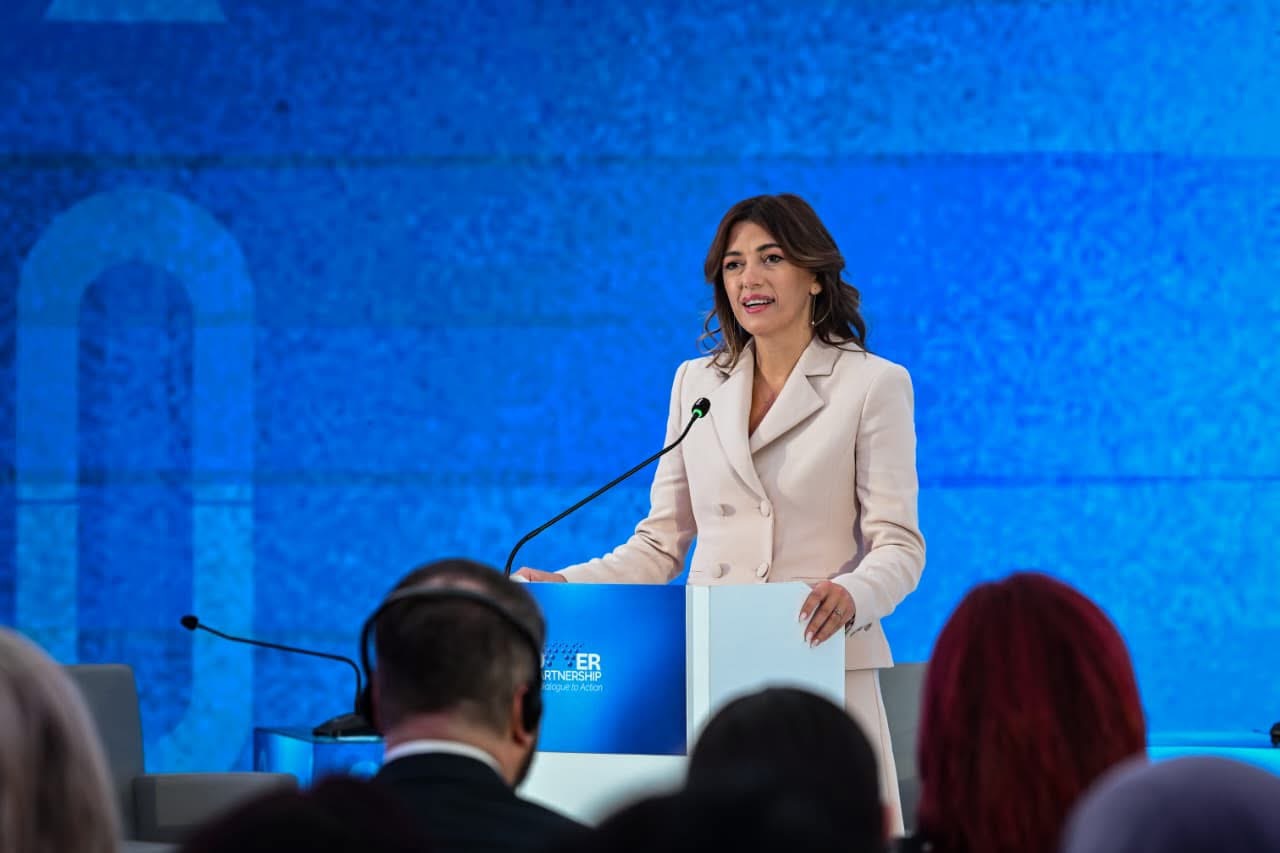
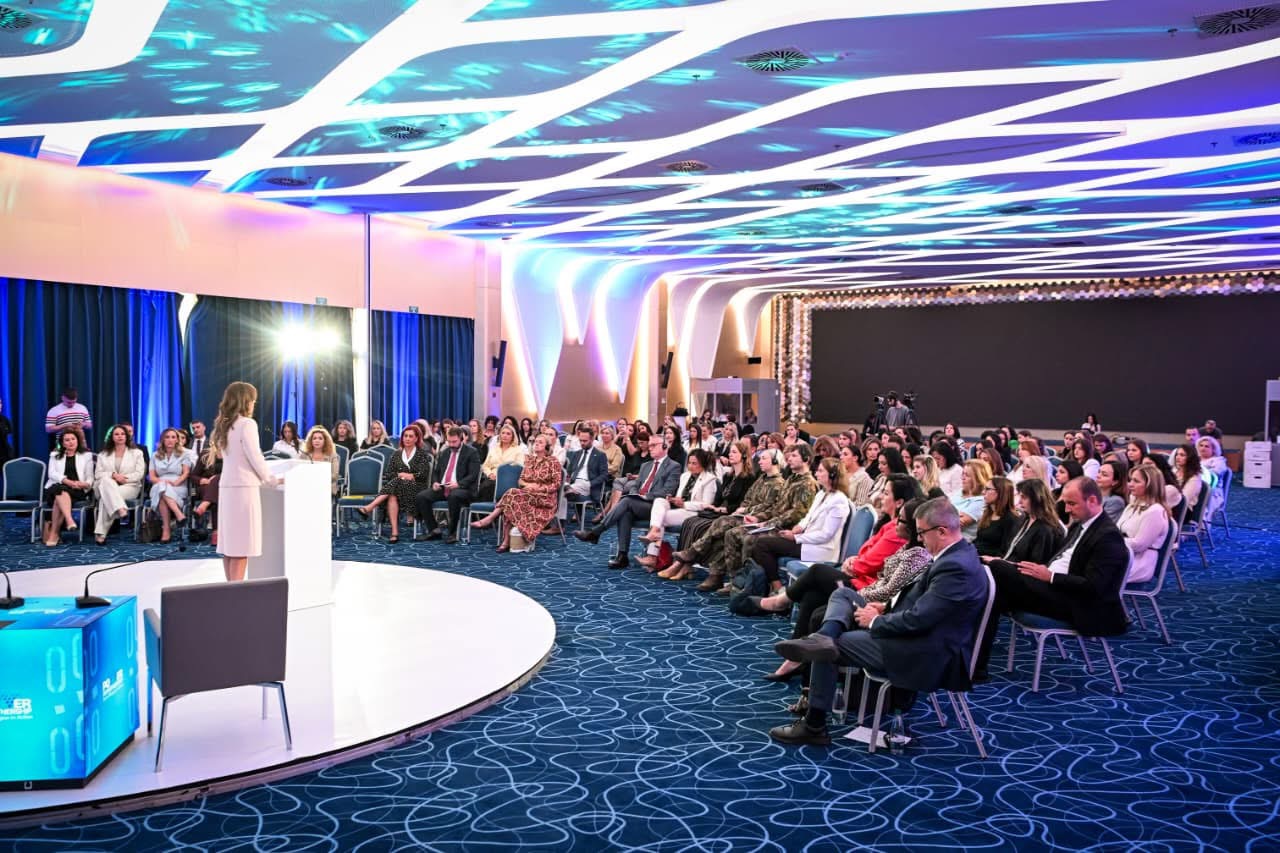
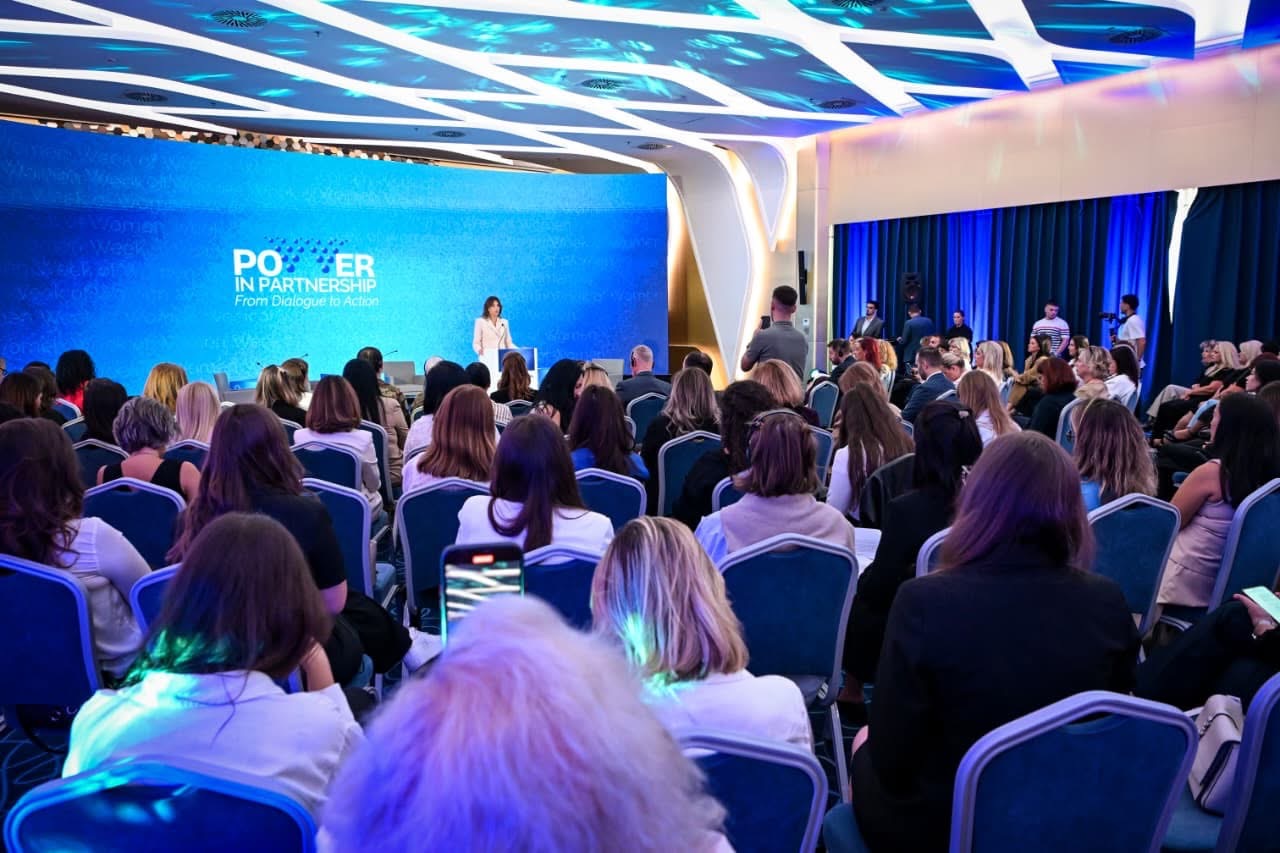
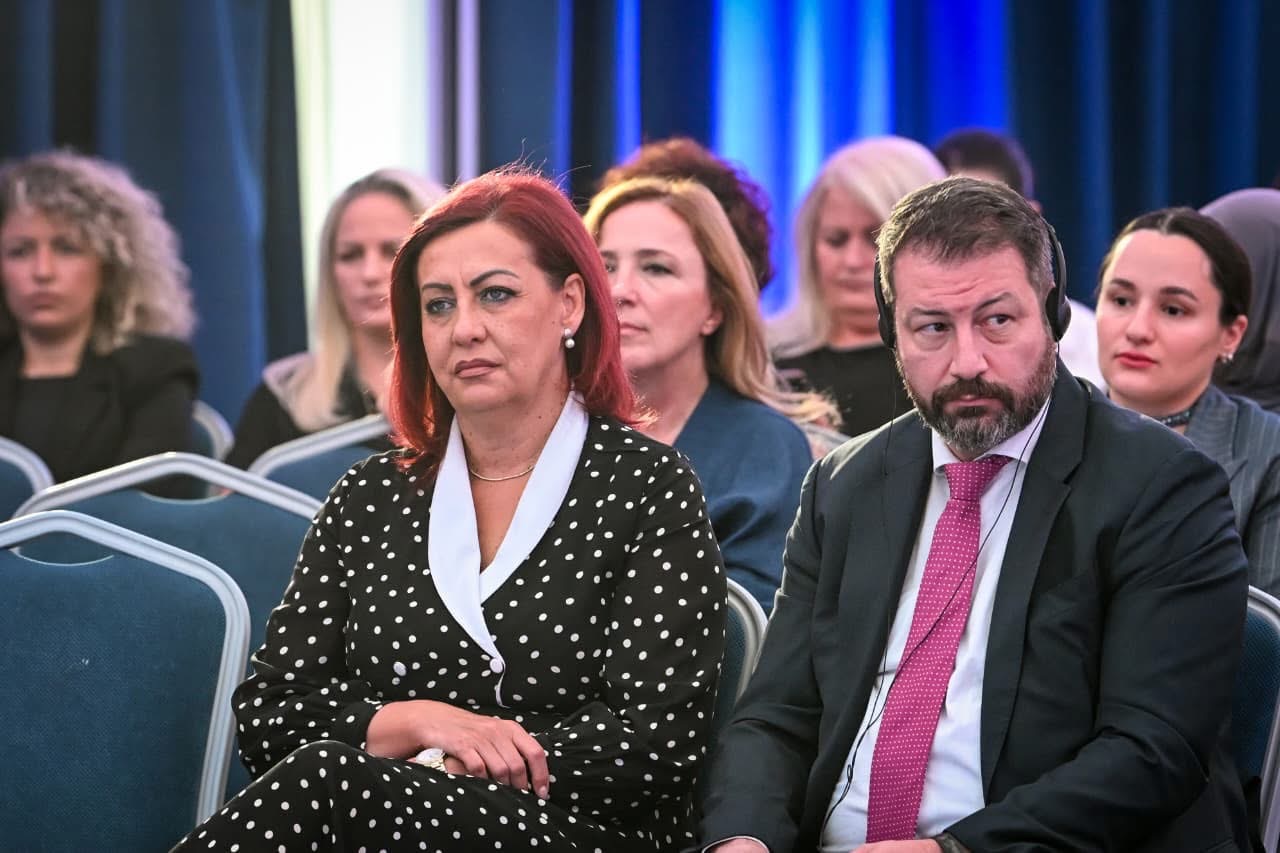
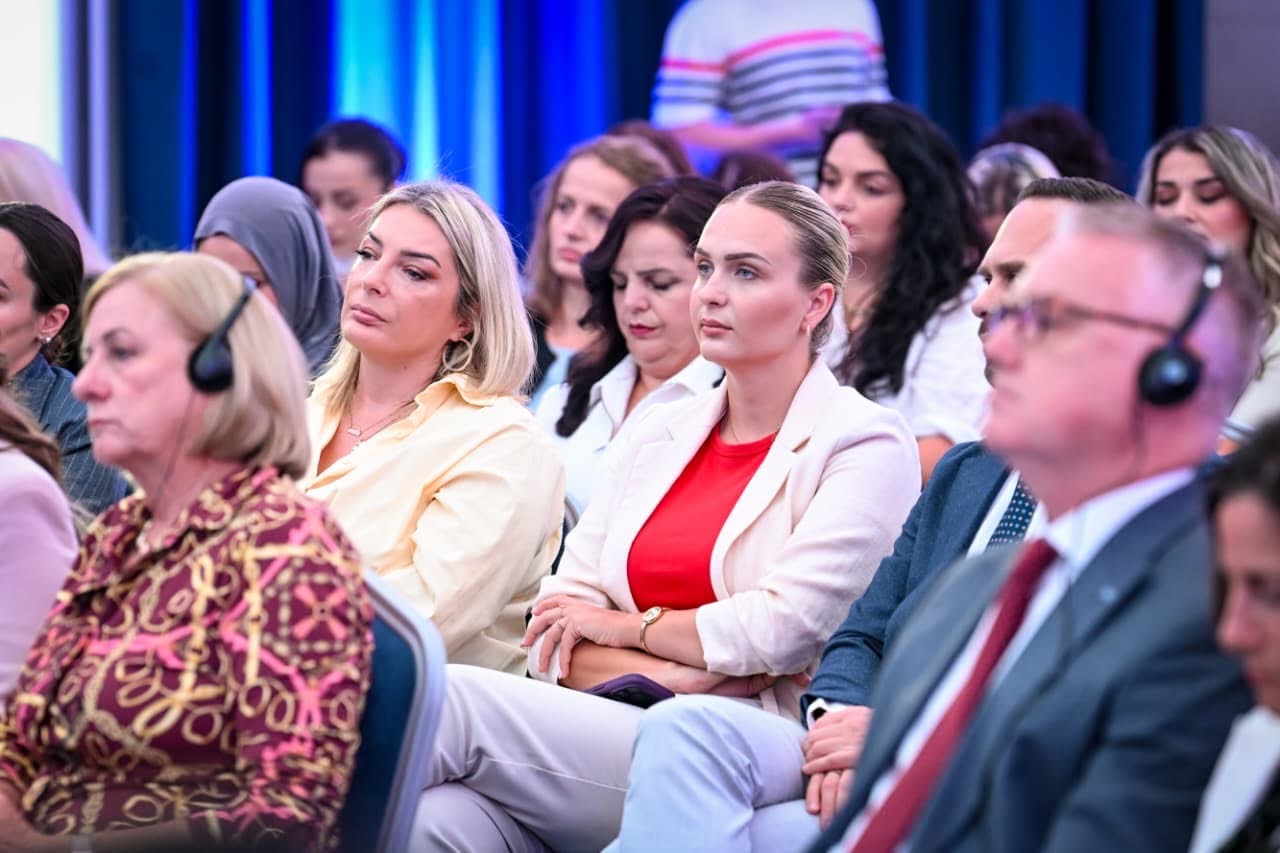
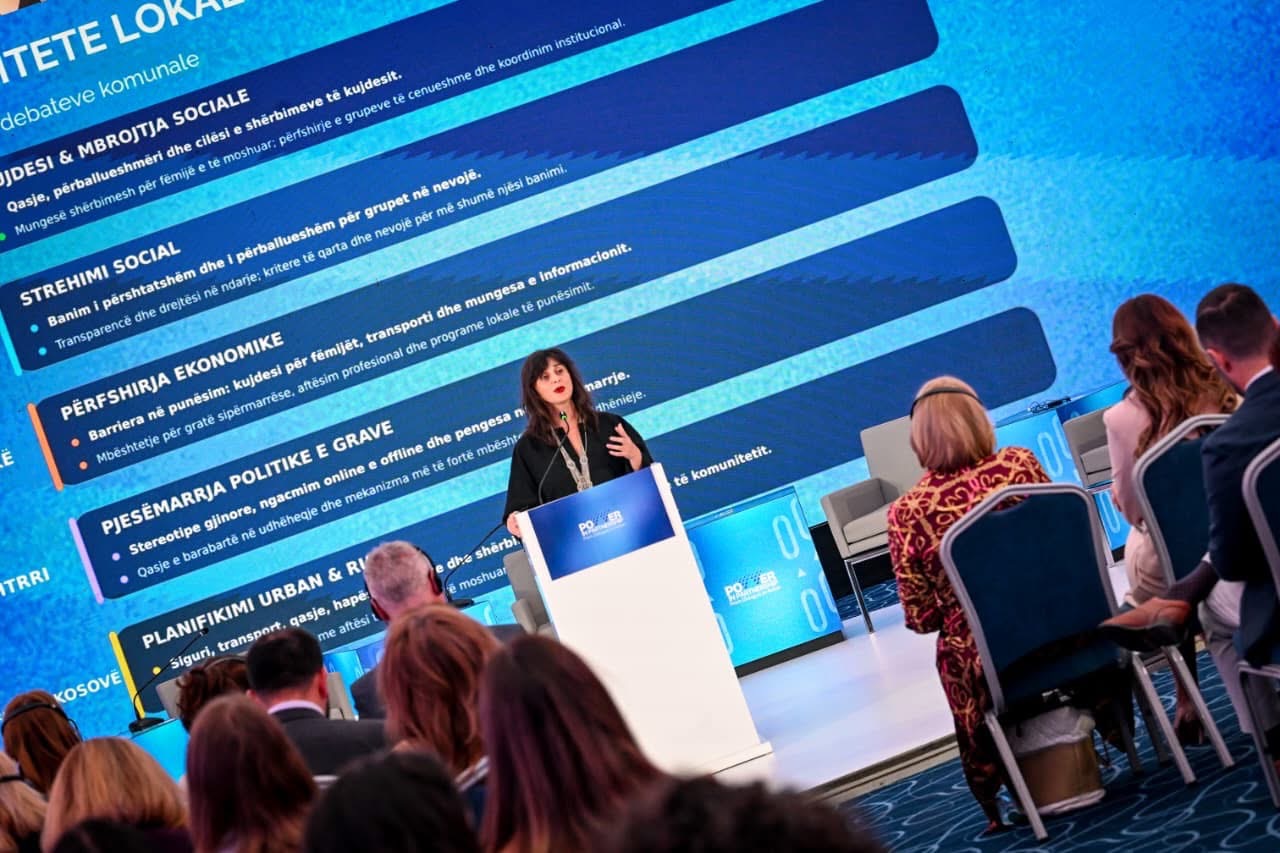
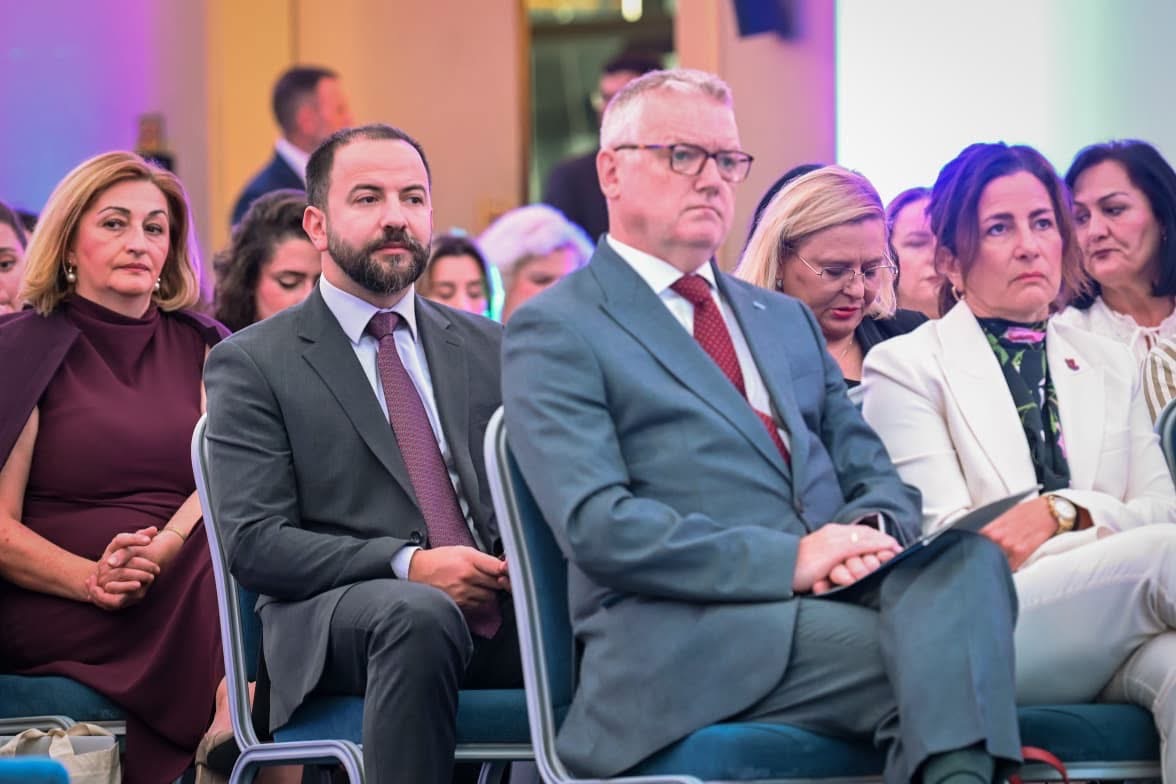
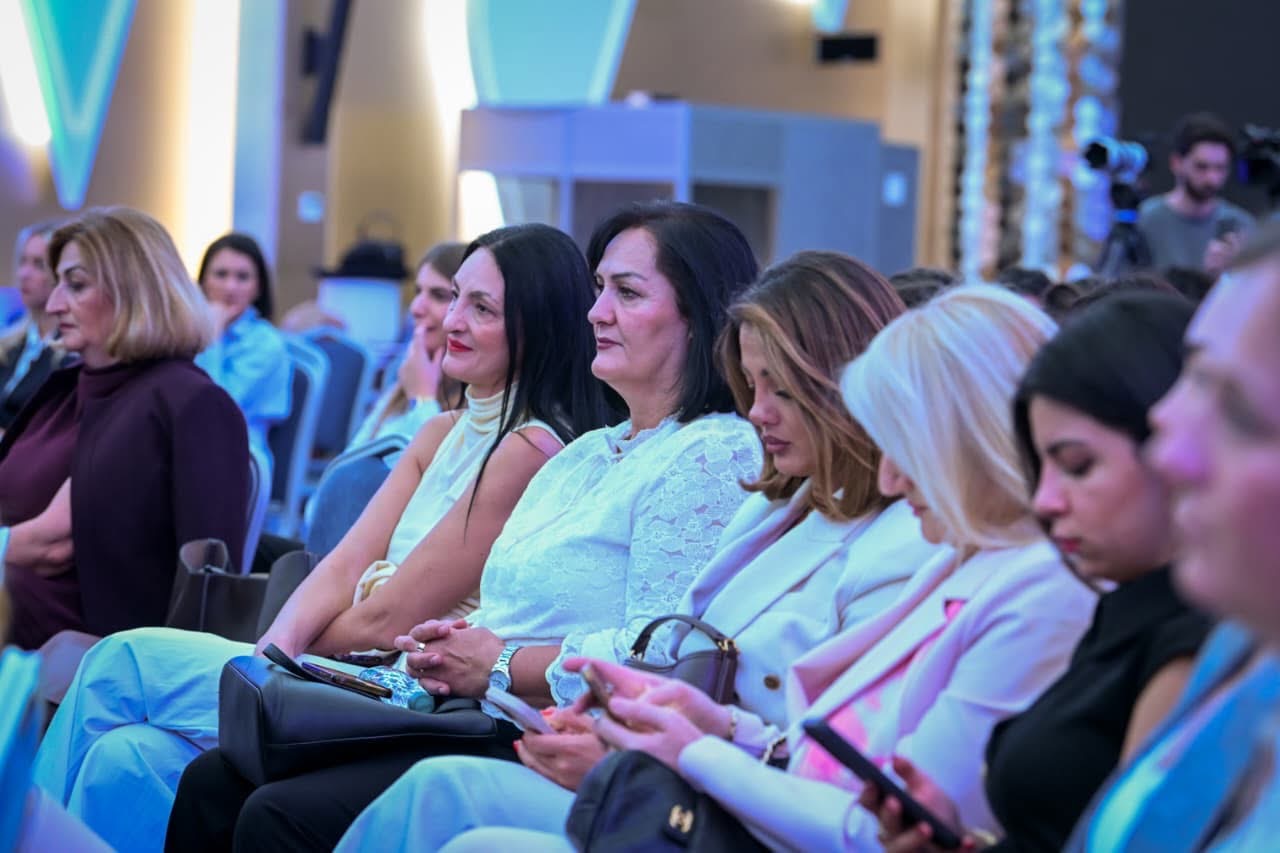
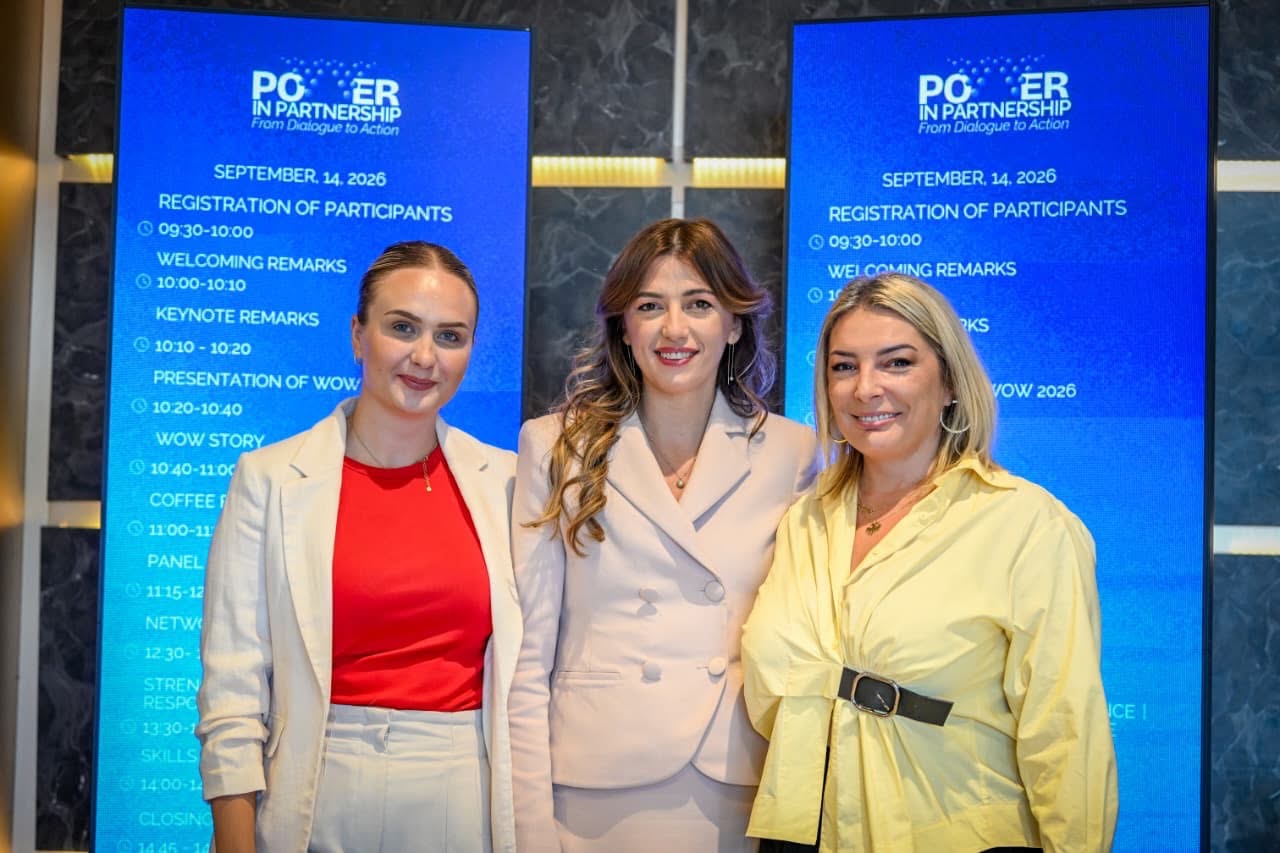
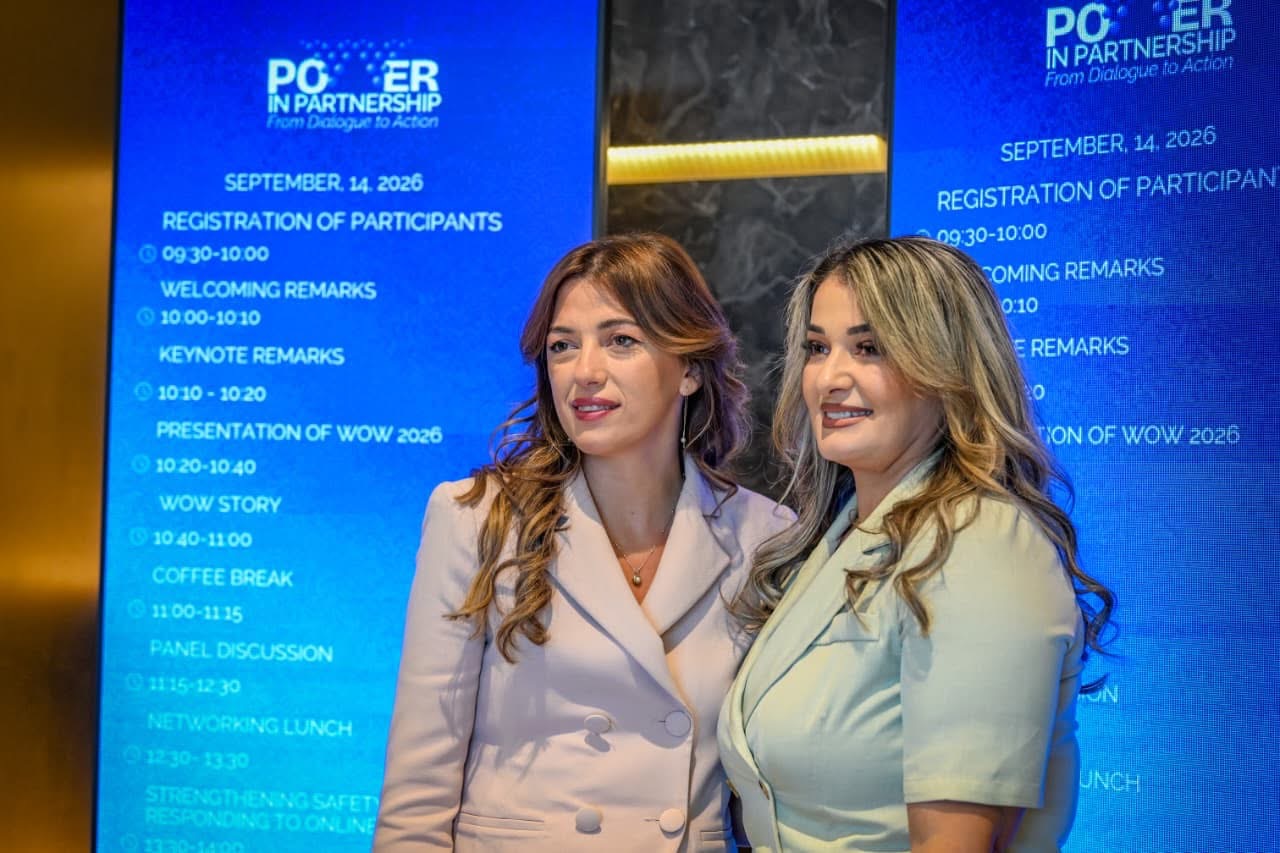
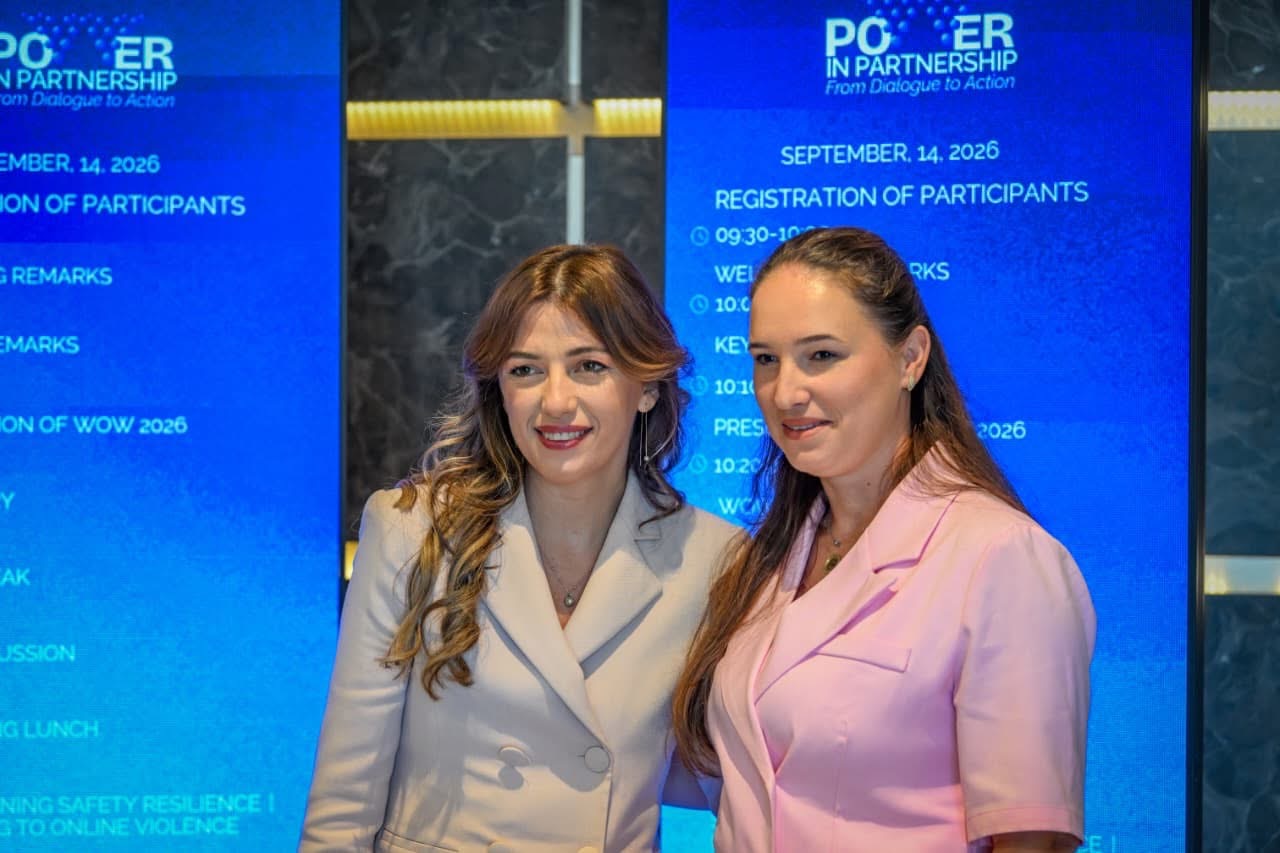
The Acting President of the Republic of Kosovo, Albulena Haxhiu, participated today at the concluding day of “Women’s Week,” an event organized by the NDI.
In her address to the participants, Acting President Haxhiu thanked the National Democratic Institute (NDI) for its engagements within the Republic of Kosovo and for this significant program—which has for years brought together women and men from institutions, political parties, municipalities, civil society, the media, and diverse communities to meet, debate, and collaborate. She also expressed her gratitude to the Swiss Agency for Development and Cooperation, the OSCE Mission in Kosovo, and the Embassy of Canada for supporting this initiative.
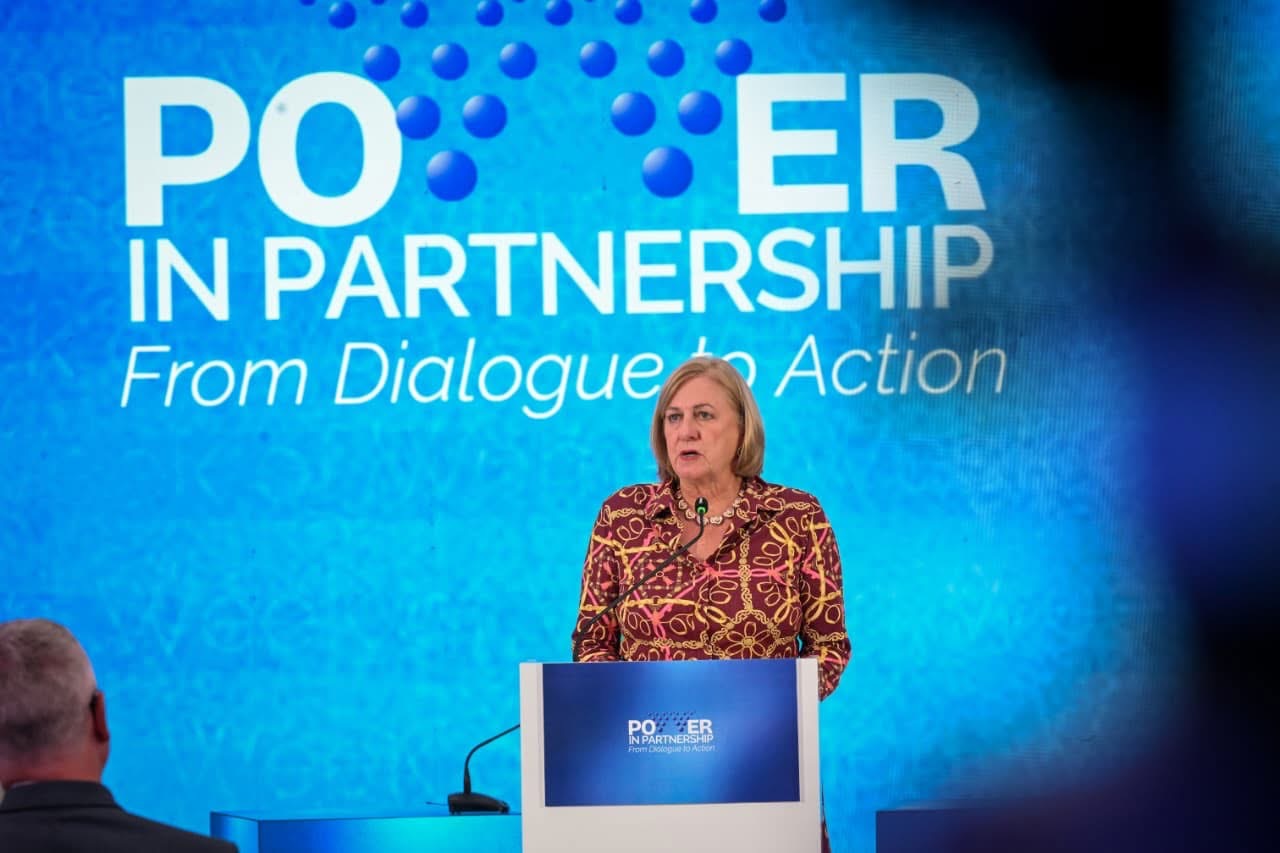
She noted that this year’s theme, “Power in Partnership: From Dialogue to Action,” links gender equality to the quality of our democracy, adding that a democratic society listens to everyone’s voices and provides them with the opportunity to influence the decisions being made. “However, equality is not measured solely by the number of women present in a room, on an electoral list, or within an institution. It is, above all, measured by their power to lead, to make decisions, and to bring about change or directly influence the lives of the citizens of the Republic of Kosovo,” emphasized Acting President Haxhiu.
According to her, dialogue is valuable when it brings about change—specifically, when citizens’ concerns translate into decisions and budgetary allocations, and when rights enshrined in law are implemented in everyday life.
Acting President Haxhiu stated that, for this reason, cooperation between central institutions and municipalities is of great importance.
She also said that citizens should not have to waste time figuring out which institution bears responsibility; rather, they expect institutions to cooperate and resolve the problems they face. “This applies especially to women. An entrepreneur looking to expand her business deals simultaneously with the municipality and central institutions, just as a municipal assembly member does when she seeks to see an initiative of hers through to implementation. Therefore, women’s experiences must be taken into account from the very beginning—when laws, budgets, and public services are being drafted—rather than being added as an afterthought. When women participate in decision-making, institutions gain a clearer view of the reality they are addressing. The position of women in society changes slowly because it is shaped simultaneously across schools, workplaces, and public life; when only one of these areas changes, the others often hold women back in their previous position,” stated Acting President Haxhiu.
Furthermore, Acting President Haxhiu noted that girls successfully complete their schooling and university studies, women launch and lead businesses, and our schools and health centers function largely thanks to their extraordinary work. “However, the higher up we look within institutions and companies, the less frequently we find their names at the top. Gender quotas have brought women into municipal assemblies and the Assembly of the Republic of Kosovo, yet challenges persist; we do not see women heading electoral lists or running for mayor,” emphasized Acting President Haxhiu.
She said that Majlinda Kelmendi, Distria Krasniqi, and Nora Gjakova were the first to win Olympic gold medals for Kosovo, while Donjeta Sadiku won gold at the Mediterranean Games held recently in Taranto, adding that girls starting sports today have role models that previous generations lacked.
“These examples demonstrate that talent and ability exist. The question is whether our institutions, political parties, and society provide women with equal opportunities to showcase that talent in politics, the economy, and public life in general. Equality takes time, but it also requires decisions. It is our responsibility—as institutions and political parties—to ensure women have the same opportunities as men. For parties, this means having more women at the top of electoral lists and competing for public office. The decisions we make today must shorten this process,” asserted Acting President Haxhiu.
Acting President Haxhiu further stated that the safety of women in public life must also be addressed.
“Women in politics, journalism, and civil society are frequently targeted on social media. They are attacked based on their gender, appearance, families, and private lives, rather than for their work or the positions they hold. A society—a democracy—cannot be truly free if a segment of its citizens pays a higher price for speaking out publicly. No woman should be forced to choose between participating in public life and her safety, dignity, or integrity,” emphasized Acting President Haxhiu.
She added that institutions have a duty to protect these women so they can continue their work without fear, and that the same standard must apply to all.
“Political parties, the media, and each and every one of us bear the responsibility of ensuring that hate speech and the intimidation of women and girls in public life does not become a norm.
Therefore, I invite you to cooperate in this regard, as well as to stand in solidarity and support one another, because the response to threats and violence must never depend on the name, party, or profession of the woman being attacked. The standard must be the same for everyone,” said Acting President Haxhiu.
Acting President Haxhiu stated that “Women’s Week” brings together women and men from diverse parties, municipalities, and communities.
She further noted that while we may not agree on everything in a democracy—something she views as normal—we must recognize the need to work together on issues that affect the lives and dignity of citizens. “As I mentioned, a woman leading a business, a school, or an institution expects clear rules and equal treatment from institutions—regardless of political divisions or differences, as well as gender or ethnic distinctions. Institutions exist to serve everyone equally. Throughout this year, Women’s Week has fostered discussions and formulated recommendations based on the experiences of women and their communities. Its success will be measured by how many of these recommendations translate into concrete decisions within municipal assemblies and other responsible institutions, the extent of budgetary support they receive, and the degree to which they alter the reality on the ground—thereby directly impacting the lives of girls and women in the Republic of Kosovo. Accountability begins when we demonstrate what we have done with the trust citizens have placed in us,” emphasized Acting President Haxhiu.
Addressing the participants, Acting President Haxhiu noted that while their presence today is significant, what matters even more is what they will do once they leave the hall. “Claim the space that belongs to you, raise your voice, and get involved in decision-making within public institutions—whether at the local or central level—as well as in your community, your profession, and wherever you can make a direct impact. And as you move forward, it is crucial to pave the way for other women to walk alongside you,” added Acting President Haxhiu.
She stated that equality is also the responsibility of men in leadership positions.
“Women must have an equal share in decision-making, and moving from dialogue to action must remain the standard for how our institutions operate, even after this week,” emphasized Acting President Haxhiu.

